
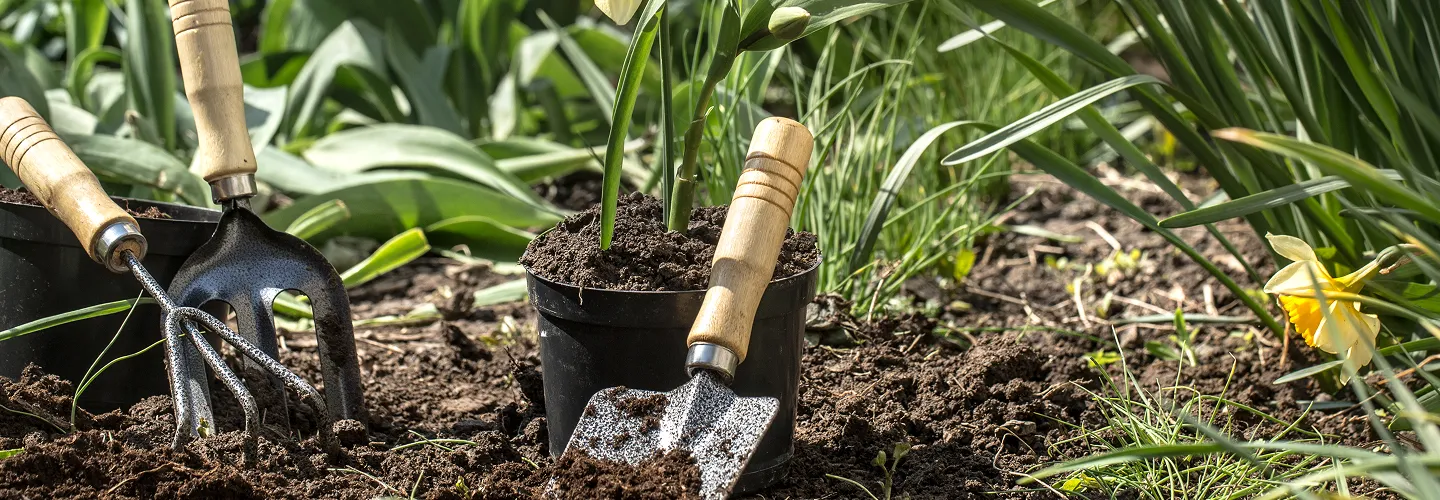
Fair Oaks Ranch Weeding Services
Choose our expert weeding services for a healthier, more vibrant landscape—our experienced team ensures your garden stays pristine, saving you time and effort while protecting your plants from invasive weeds.
Get a Free QuoteOur Fair Oaks Ranch Landscaping & Yard Care Services
When to Schedule Weeding in Fair Oaks Ranch, Texas – Seasonal Guide
In Fair Oaks Ranch, Texas, the timing of weeding is crucial for maintaining healthy, attractive landscapes throughout the year. The region’s unique blend of Hill Country climate, with its hot summers, mild winters, and periodic droughts, means that weed growth patterns can vary significantly from one season to the next. Typically, the most effective weeding schedules align with early spring and late fall, when soil moisture is optimal and weed seedlings are most vulnerable. Neighborhoods near the Fair Oaks Ranch Golf & Country Club or along Dietz Elkhorn Road often experience microclimates due to shade from mature oaks and varying soil types, which can influence the best timing for weed control.
Local environmental factors such as the last frost date (usually late February), summer drought risk, and periods of high humidity all play a role in determining when to schedule weeding. For example, properties in the Cibolo Creek area may face more persistent weed issues due to richer soils and higher moisture retention. Additionally, municipal guidelines and HOA restrictions may affect when and how weeding services can be performed. For more information on local regulations, visit the official city resource.
Local Factors to Consider for Weeding in Fair Oaks Ranch
- Tree density and shade coverage, especially in established neighborhoods
- Soil type variations, from rocky limestone to loamy creek beds
- Seasonal precipitation patterns and drought risk
- Terrain slope and drainage, impacting weed seed dispersal
- Municipal or HOA restrictions on herbicide use and service timing
Benefits of Weeding in Fair Oaks Ranch

Enhanced Curb Appeal
Healthier Plant Growth
Reduced Pest Infestation
Improved Soil Quality
Increased Property Value
Professional and Reliable Service

Fair Oaks Ranch Weeding Types

Hand Weeding
-
Mulch Application
-
Pre-Emergent Weed Control
-
Post-Emergent Herbicide Treatment
-
Mechanical Weeding
-
Landscape Fabric Installation
-
Selective Weed Removal
Our Weeding Process
Site Evaluation
Weed Identification
Targeted Removal
Soil Treatment
Final Inspection
Why Choose Fair Oaks Ranch Landscape Services

-
Fair Oaks Ranch Homeowners Trust Us
-
Expert Lawn Maintenance
-
Reliable Scheduling
-
Competitive Pricing
-
Professional Team
-
Satisfaction Guarantee
-
Personalized Service
Managing Weeding in Fair Oaks Ranch’s Expansive Clay and Limestone Soils
Weeding practices in Fair Oaks Ranch must account for the city’s predominant Houston Black clay and Brackett limestone-derived soils, as identified by the USDA Web Soil Survey. These soils are characterized by high clay content, alkaline pH (7.5–8.2), and poor drainage, which can promote weed proliferation, especially after heavy rainfall. Effective weed removal requires:
- Mechanical extraction to a depth of 3–4 inches to remove entire root systems
- Soil amendment with 2–3 inches of compost tilled to 6-inch depth for improved structure
- Annual soil testing (15–25 cost through Texas A&M AgriLife Extension) to monitor pH and nutrient levels
For properties near drainage easements or low-lying areas, maintain a 25-foot buffer from wetlands and seasonal watercourses to comply with local environmental standards. Coordination with the city’s infrastructure maintenance is essential for erosion control and stormwater compliance.
Fair Oaks Ranch Public Works Department
7286 Dietz Elkhorn, Fair Oaks Ranch, TX 78015
Phone: (210) 698-0900
Official Website: Fair Oaks Ranch Public Works Department
Equipment Operation Hours and Noise Ordinance Compliance for Weeding in Fair Oaks Ranch
Weeding activities in Fair Oaks Ranch are subject to municipal noise ordinances and equipment operation restrictions. The city enforces the following hours for powered equipment:
- Monday–Friday: 7:00 AM – 7:00 PM
- Saturday: 8:00 AM – 6:00 PM
- Sunday and holidays: Prohibited
Operators must ensure all equipment is fitted with functional mufflers and does not exceed 85 decibels at property lines. For work within 50 feet of public roads or parks, high-visibility vests and ANSI Z87.1 safety glasses are required. When working near protected areas or city parks, additional restrictions may apply. Violations of these ordinances may result in fines or suspension of work permits. For clarification on local codes and enforcement procedures, consult the city’s code division.
Fair Oaks Ranch Building Codes Division
7286 Dietz Elkhorn, Fair Oaks Ranch, TX 78015
Phone: (210) 698-0900
Official Website: Fair Oaks Ranch Building Codes Division
Environmental Compliance: Stormwater, Buffer Zones, and State Regulations in Fair Oaks Ranch
Weeding operations in Fair Oaks Ranch must comply with both municipal and state environmental regulations. The city participates in the MS4 stormwater program administered by the Texas Commission on Environmental Quality, which prohibits the disposal of plant debris or soil in storm drains. Key compliance steps include:
- Maintain a 25-foot no-disturbance buffer from wetlands and seasonal streams
- Prohibit use of herbicides within 50 feet of water bodies
- Collect and dispose of all weeding debris in accordance with city guidelines
These requirements are enforced under the Texas Water Code and the federal Clean Water Act. For technical guidance on buffer zones and stormwater best practices, consult the city’s environmental stewardship program.
Fair Oaks Ranch Environmental Stewardship Program
7286 Dietz Elkhorn, Fair Oaks Ranch, TX 78015
Phone: (210) 698-0900
Official Website: Fair Oaks Ranch Environmental Stewardship Program
Seasonal Timing and Weather Considerations for Weeding in Fair Oaks Ranch
The optimal timing for weeding in Fair Oaks Ranch is influenced by the city’s USDA Hardiness Zone 8b and local weather patterns, as monitored by the National Weather Service Austin/San Antonio Office. Best practices include:
- Spring weeding: March 15 – May 15, when soil temperatures reach 55–65°F
- Fall weeding: September 15 – October 31, before first frost (typically late October)
- Avoid weeding during June–August due to heat stress and rapid weed regrowth
Monitor rainfall events, as heavy precipitation can increase weed emergence in clay soils. For up-to-date weather forecasts and soil temperature data, consult the local NWS office. Adjust weeding schedules to avoid saturated soils, which are prone to compaction and erosion.
What Neighborhoods Do We Serve Throughout Fair Oaks Ranch, TX?
- Deer Meadow Estates: Features expansive lots with Houston Black clay soils, requiring deep-root weeding and careful drainage management due to slow percolation and seasonal pooling.
- Fairways at Fair Oaks Ranch: Golf course-adjacent properties with managed turf and strict HOA landscaping standards; weed control must comply with buffer requirements near water features and fairways.
- Setterfeld Estates: Newer development with compacted fill soils and moderate slopes, presenting challenges for weed removal and erosion prevention during wet periods.
- Elkhorn Ridge: Proximity to Cibolo Creek and city parks necessitates adherence to 25-foot wetland buffers and restrictions on herbicide use near sensitive habitats.
- Stone Creek Ranch: Large residential parcels with mixed clay and limestone soils; weed management must address both alkaline pH and variable drainage.
- Trailside: Neighborhood with mature tree canopy and shaded understory, requiring specialized weeding techniques for shade-tolerant invasive species and compliance with city tree protection guidelines.